In the words of someone I love. ” Love you to the end of thealphabet... [and beyond it] “. Here are the abcs filled with love, light and affirmations. Cheers to speaking life and love over each other and our children.
A for amazing and astounding.
B for brave, bold and beautiful.
C for courageous, considerate, compassionate and caring.
D for determined and dedicated.
E for evolving and energetic.
F for fabulous and fun!
G for giving and getting.
H for healing and health.
I for intelligent, inspiring and insightful.
J for joyful and jazzy.
K for knightly and kind.
L for loving and learning.
M for masterpiece and magnificent.
N for neat, nice, natural and neverending!
O for observant and ongoing.
P for precious, persevering and playful.
Q for quissential, quaint and quirky!
R for resilient, respectful and ready for life!
S for special and sweet.
T for talented, timeless, thoughtful, tactful and tenacious.
U for ubiquitous, unique, unconditional, unbeatable, ultimate and unabashed!
V for valorous, valuable, venerable, vast, versatile and valiant.
Need ideas for the holiday season? When I am fresh out of ideas, I tend to start with the people and places we love. Whether near or far, inspiration can be found everywhere and lead to anywhere.
We were counting all of the letters of the alphabet. I hear, “Mom, I love you, all the letters of the alphabet.”
Love is everywhere. In little moments and in the meaningful conversations whether we know in the moment they are meaningful or not. Even “small talk” could lead to “big talk”. In fact, it is all big in the grand scheme of this one precious and wild life.
The timeless adage still rings true. Don’t spend money. Spend time. Time with those you love. What is at the core of each and every single one of us is this: Time, Talent and Treasure.
Ask those you love what they would love to do with the time you all have? Dare yourself to be pulled into the moment.
They and it will all surprise you. When we ask…, we get at that heart of what the other person cares about.
Some ideas, actions and answers that sprang up and out of boredom and inspired by an ask of:
Q: “What do you want to do?”
A: “I want to go to the car wash!”
A: “Let’s count the stars.”
A: “Write a book.”
A: “Watch tv”
A: “Can we add soap to the trampoline and jump?! Soap party!”
A: “Make a cat house?!”
A: “Play a game” (ie board game or action packed game of tag!)
A: “Play chase us with the remote control cars!”
A: “Ride our go karts.”
A: “I want to make a fart fort!”
A: “I want a piggy back ride!”
A: “I want to fight!”
A: “I want to climb.”
A: “I want to roll!”
A: “I want to swing!”
A: “Knock, knock…(I want to laugh!)”
…the answers are endless. Let it be. Let them play. Let yourself play. Shhhh, listen, let them tell you. Open your eyes, let them show you. Open your arms. Hug it out. xoxoxo
It’s windy. It’s rainy. You have a handful of kids or what feels like a handful. What to do?
Fly a Kite
Collect & measure the Rain using measuring tape, legos, blocks, or even yourself! Does it go past your ankles? Does it go past your wrist? Does it go past your elbow? Does it go past your pinky? Your fingers?
Make a wind chime using recyclables
Jump in puddles
Draw using chalk and notice how it changes into pastel
Make forts with blankets, pillows anything you could think of!
Water play: make magical potions
Shaving cream kind of day! Add food coloring for pops of color.
Paint using water color
Paint on the windows using water drops: have water drop races on the windows
Make rainwater paintings with puddles!
Build using wood, legos, recyclables: whatever your brain thinks up!
Read and act out your favorite books
Karaoke: sing your favorite songs.
Yoga (Kid version!)
Nothing. Get bored and see where it takes you & what could be created.
Imagine you and your family are out at a pool. Your child is having a blast to the point his fingers are wrinkled from the water. The sun is shining and sunscreen was a cinch to apply because the spray kind was created. You’ve all been out in the sun for about two hours. You make the call to head home. Your child says, “Five more minutes, pleeeeease”. You say, “Ok”. Five minutes pass and you say alright let’s go but he wants to negotiate another five. You say no it’s time to go. You see water on his face that is not from the pool but his tears. He starts crying that he wants to stay. He runs away, yelling he doesn’t want to leave and throws himself on the grass. You carry him to the car feeling defeated and deflated.
Everything pretty much a toddler and preschooler does is developmentally appropriate including many of the following challenging behaviors:
Ignoring you
Yelling
Throwing food, etc.
Spitting
Not Sharing
Tantruming
Not “sitting still”
Not “listening”
Hitting
Biting
This happens as children grow and learn about this brand new world. While we’ve been here for decades, they have been here for a few years. They don’t have the plethora of experiences that we have. Think about that. Our brain is fully developed while their brain is still growing. What they do and how they act during this time is not a reflection of who you are as a parent. They are not “bad”. Neither are you as a parent “bad” at parenting.
In those moments, they need you more than ever to be still with them. Give yourself and your child space as they navigate big feelings. It’s hard to label how upset they are that they have to leave. When it gets calm be present with them and re-enact the scenario and what would be done differently next time. Label what you saw and validate feelings including your own. Give reasons why. Keep it simple, direct and clear. Keep calm and carry on.
Next time you find yourself in the middle of a meltdown or tantrum with your children: give space, follow through on what you said, be there when they are ready to talk, label what you saw and use it as a teachable moment for what to do differently next time. Hug them, tell them you love them but not the behavior. Give yourself grace as their parent. You got this.
Ps. Need more tips: here is a helpful article featured on Understood
“If you can’t run, walk. If you can’t walk, crawl.” — MLK
If you can’t crawl, roll. If you can’t roll then get that tummy time in. This is the story of the stages of development and how children need caring grown ups to nurture our babies so they grow into their fullest potential. This is what to expect when you’re expecting. This is how we care for and nurture children after their basic needs of nutrition, toileting and shelter have been met. Early childhood development is impacted heavily by the mental health of the people who care for them even while they are in the womb. Care is solely based on three actions caring grown ups give: love, safety and consistency. During the early years of life, the brain is constantly and consistently growing and care should coincide with that growth. Grown ups have a mission to foster security, love and safety starting at birth which leads to toddlers establishing a strong sense of self and self-worth. Children not only want safety, love and consistency but they also need it.
Being able to build and sustain healthy relationships to consistently meet children where they are in order to secure a healthy attachment depends on the wholeness of the grown up who is caring for children. Are those who are caring for children well and healthy? A great question for grown ups to ask themselves is: “How am I feeling?” “What can I do about?”
In reality, a “healthy head start” is not always an option for babies. This is where early intervention comes in as a plan b if the family unit is broken. Early intervention such as head start, home cares and preschool improves the outlook and success of children growing into healthy and thriving adults. Caring grown ups help build a strong foundation also known as the brain. It also aids in breaking a family generational cycle of poverty. Need support?
Here are some resources and ways to support infants and toddlers in the first three years of life:
“I know what I want to do, and it makes sense to get going”. — Warren Buffet
Children know who they are and what they love to do from an early age. Families, educators and the community also discover what children are passionate about especially by paying close attention while being astute observers. When children arrive at school they get going in on the things they care about all while living out the mantra: being in the present moment. Something most of us could learn a lot from. While being in the present an idea enters the brain also know as a spark of joy that sends signals as what we’re supposed to be doing. An idea.
I had a student who had an idea. He started building a truck. More specifically, a cement mixer. In fact, he loved trucks. All kinds of trucks. His family was worried as he seemed obsessed with trucks and he didn’t like books so much. I mentioned that they just may have a builder on their hands. He gets distracted by what he cares about most because when there was a book about trucks he would study it research like and consumed by it ranging from non-fiction to Goodnight, Goodnight, Construction Site. When asked what he wanted to be when he grew up, he said a garbage truck so he could keep Earth clean. When we went to the library on Wednesdays for story time, instead of listening to the story he would instead gravitate towards the window to watch the construction workers work. He would be engrossed by the construction site across the street and name every single truck as well as what they were doing. I mentioned it to the storyteller and she prepared stories the following week in honor of my student and the site across the street. We also met the team who were building. My student’s eyes lit up and stood in awe as the team described what they were working on. He asked the most questions and even got to sit in the cement mixer he saw each Wednesday, the exact truck he was building. This came full circle and his family beams with pride as their son is an expert in building and mechanics. He drew and from what I see online still draws blueprints, creates and builds.
Our ideas are unique to only us. No one else dreams the dreams we dream. It is vital to fulfill our mission. When a child is doing something they love they don’t have to be told or rewarded to do it. Even when they grow up it is the same as they do something they love. They do it because they want to be there. They do what they love and care about. That is the greatest gift. Are you honoring your child and your own inner child?
This is where intrinsic vs. extrinsic motivation comes in.
Children are intrinsically motivated to do the things they love to do. They don’t need awards or even praise. They just do. They get going.
So what is it that your child wants to get going on? How about you? Just do it.
When you see a child’s drawing what do you notice, say or ask?
Most times, as grown ups, we’ll label what we “think” the drawing / painting / sculpture / creation is that a child made. Or as children create, we will show them what whatever it is “should” look like. For example, take a star — we may show them. What would happen if we didn’t show them but see what kind of star they’d create based on their own observation and imagination? As opposed to getting a replica of the carbon copied four pointed star (as illustrated in the picture below) — we may just get something else more creative and out of the box way of seeing the world in which we live.
The following are tips for making with children.
Don’t name it — ask open ended questions. Ask children to tell you the story of their picture / creation and write it down as they tell you the story of it. Ask them to describe it. Think of who, what, when, where, why and how questions. This shows you value their masterpieces as you actively listen and take notes about their work.
Save their creations — save their work and bring it back out so they can add more detail to it or be inspired to make another part. Learn new terms like dip-tic, trip-tec etc. This helps children to work on a project over time and strengthens their attention to detail.
Display their work — at their eye level. If they want let them help you or even let them do it by themselves. This shows that you value their work without over empty praise such as always saying good job or it’s beautiful. The action of displaying their work whether on a shelf or on a wall says to children: “I value your work. You are a creator.”
What ways do you inspire and encourage children’s creativity?
Everybody needs a little love in their lives but you know what else everybody needs? Play.
You can discover more about a person in an hour of play than in a year of conversation. —Plato
While in Vang Vieng, Laos, we happened to catch children playing from a far distance. No grown ups present. They climbed through tree roots, explored water, caught fish and laughed a lot. They waded water in the stream made their way out and found a large paint roller and rolled it all around in the dirt. I smiled and reminisced as my nostalgic childhood materialized.
“That’s what play looks and feels like. That’s honoring childhood.” My partner and I started sharing about our childhoods. How we were fortunate that ours looked like the childhood the children were playing in right before our very eyes. Childhood is finite and infinite at the same time. It lives on.
No fences, no dittos, no rules. Freedom. To feel and play. True play gives us a push into being in our body and mind. Everything is connected: spatial awareness to making connections.
Play gives children practice to what they are learning and observing. It works for grown ups too in life, family and business. Want to learn more about your colleagues in less time? Keep it simple. Kick the typical “meeting” and get out there and play.
Play Opens Doors
No matter where children and grown ups live or what they’re overcoming, play is essential.
It opens doors and shows us what we’re capable of and what we’re passionate about. It shows us who we are and are meant to be. We all are competent, capable and creative human beings. From birth until we die, we have to play in our purpose.
Play Promotes Collaboration
Listening and talking. Everyone plays a part in it. From role play / interacting with others to make believe / symbolic thinking. Even without someone else…being able to collaborate with yourself in your own world is the art of meditation. Play is meditation.
Play Gives Grace to Fail and Try, Try Again
Riding a bike to kicking a ball. You ride, you crash. You kick, you miss. You try again.
What did you love to play as a child? As an adult? Did it change? Why?
How do you notice and celebrate the fall? There are so many ways to acknowledge it with children in natural ways. Bring in and celebrate the changing seasons with some of these creative ideas. Please feel free to share some of your family’s ideas in the comment section below: sharing is caring! These sensory and awesome activities are simple to set up and perfect for inviting your child to explore and notice the wonders of Autumn.
1. Take a Walk to Notice the Changing Leaves
Change the lyrics of the classic Bear Hunt song to “We’re going on a leaf hunt” and take a walk together as you notice the leaves falling as they crunch beneath your shoes and spy the changing colors. Walk while collecting colorful various sized leaves as you go. Invite your children to tell you what color, texture and size of each leaf in fun ways. For example…notice the size by pondering outloud: “I wonder if it’s bigger/smaller than your hand?” “How does it feel?” “Where did the green disappear to?” “How did the color change?” “Which is your favorite shade?” Once you’re home, invite your child to sort the leaves by size, shape and color.
2. Sensory Play with Fall
Sensory play is vital for babies and children and there are lots of amazing ways to represent the colors of Fall. Invite your child to change the leaves with food coloring or Tempera paints. Wonder out loud: “If you could change the colors of the leaves, what color would you change them to?” “How does a leaf change its color?” Offer Blue/Red, Yellow/Red, Yellow/Blue primary paint combinations to discover what they turn into.
4. Sing Autumn Songs click below for some ideas
5. Read Books about Trees: list of ideas below: **add your titles in the comments below** *Bonus Make Your Own Book Using Colorful Leaves
The Lorax, The Giving Tree, Stuck, Because of an Acorn, The Kids’ Family Tree Book, Can You Hear the Trees Talking?, The Tree Book for Kids and their Grown-ups
6. Observe, Draw and Pick out Some Favorite Trees
Take a sketchpad outside and draw what you see. Plan to revisit and plant one of you and your child’s favorite trees in the spring!
5. Paint / Collage with Leaves
Use leaves to paint and collage with. Make a large Fall mural inspired by the Fall. **Bonus Make a fall wreath together for your door or a neighbor’s door.
6. Rake the Leaves
Don’t forget to JUMP in them! Make up a story using the leaves together.
7. Make Leaf Rubbings / Pressings
Grab a paper, crayons (and/or pastels), playdough/clay. Place the leaf/leaves on the paper. Place a paper on top and then use the crayon (writing utensil) to rub. (Another variation is to do pressings by pressing the leaf into playdough/clay to make impressions/imprints. See it by clicking below:
8. Visit a National Park and Chat with a Park Ranger
Visiting parks and nature is a wonderful way to get up and personal with nature, especially trees. Talking with a park ranger who is an expert could turn into a life changing memorable experience as you make meaning out of the trees and their importance. If you’re local to Fiolina the Arboretum is an iconic place to visit many types of trees from the smallest Bonsais’ to the tallest of Sycamores. A perfect place for that sketchpad we mentioned earlier.
Have Fall inspired ideas you want to share? Let us know by commenting below!
You are powerful. We are powerful. Most of all, together our collective voice screams our power and our courage. Where does this kind of powerful energy come from? And, where does it live and manifest itself? I get to see it manifest in the stories of our students from children to grown ups. Who we are and who we are in a process of becoming is just as important as Maslow’s hierarchy of needs.
By telling our stories we create powerful connections. How do you show and share your story? How is your voice heard? Where does your voice resonate the loudest? The softest? Seriously think and reflect on this. Is it through poetry? Spoken word? Is it in art? Is it found in a conversation? We recognize through our stories and our lives just how connected we are and that we are all in a process of becoming. None of us really know anything and when we think we do, change occurs and to grow we must grow and go with the change. This is how we grow and evolve. This is how we become. This is how we create our real and authentic identities. Tupac Shakur said, “I am coming out 100% real and I’m not compromising anything.”
We are found in a single sentence. We are found in a line drawn and extended magnified or minimized like an MC Escher sketch. “Every line means something,” said Basquait. If every line means something in a drawing, then that also means every curve, every freckle each and every part of us means something too. Every “line” in this life means something. Each action or inaction affects all of us even when we don’t think it does, it does.
What’s your story? Who are you? Why are you here? How do you want to make your vision a reality and your voice resonate and connect? What are you doing right now to make your vision come to fruition? Where are you? When will you share your story — your voice?
We’re all waiting for you to become you and even when you become you, you will still change and grow. You will get growing pains and experience hurts. What will you do with it all? You will change. You will evolve. We are all in a never-ending process of becoming. Over and over and over again.
Leveling up or leveling down and around like a run on sentence or drawn out lines. We never come to a complete end and when we think we have reached the end we are reminded again and again that we are only just beginning.
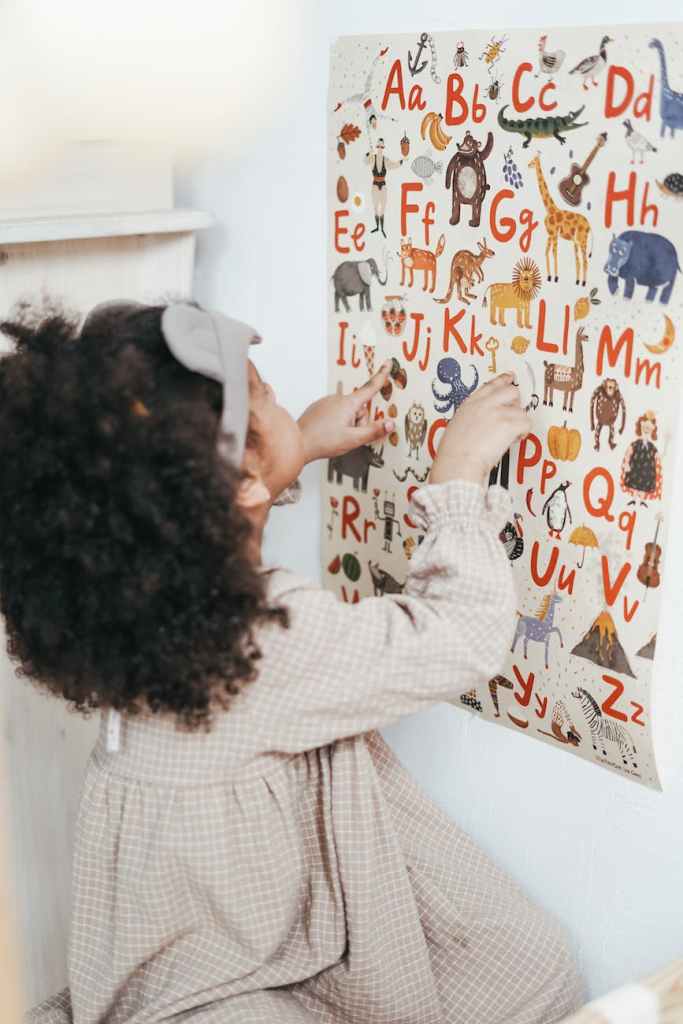





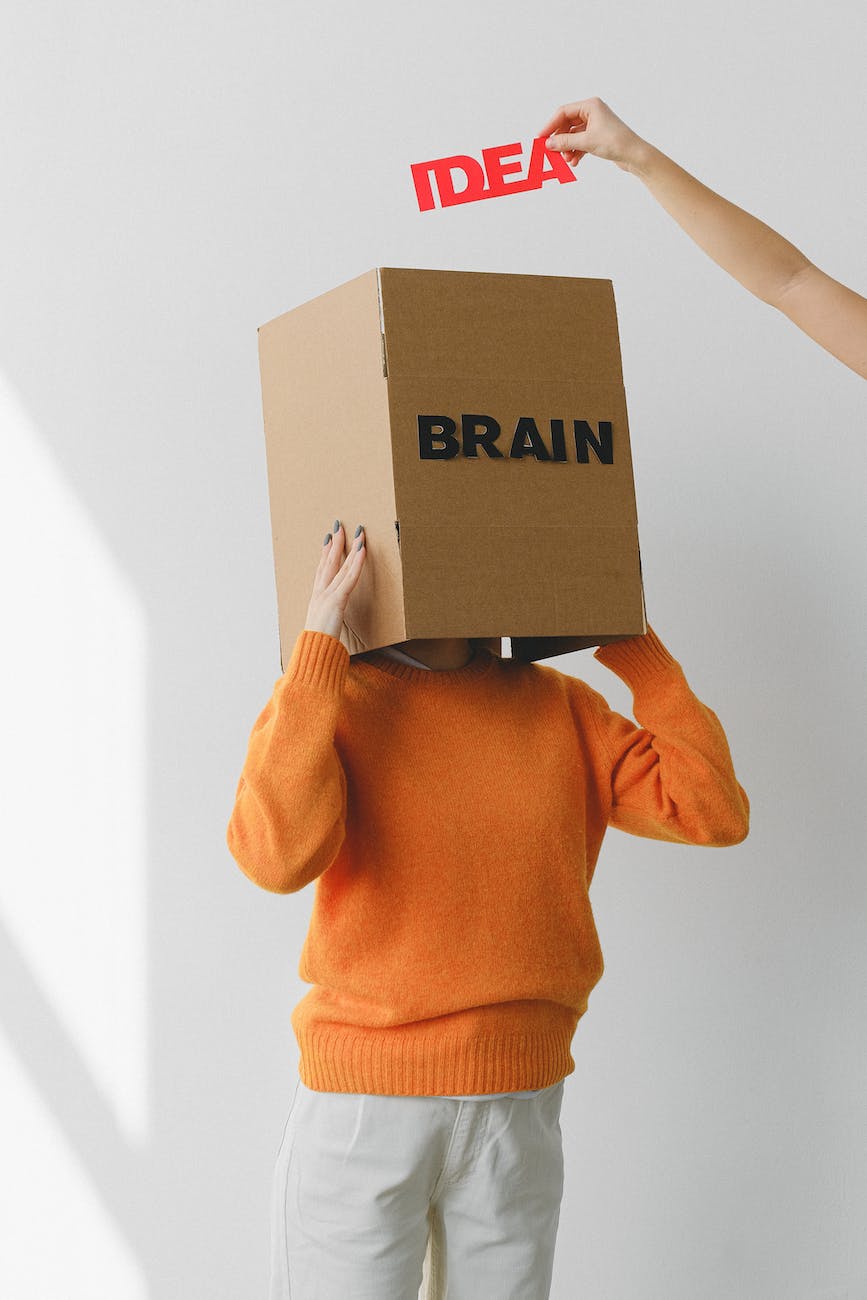

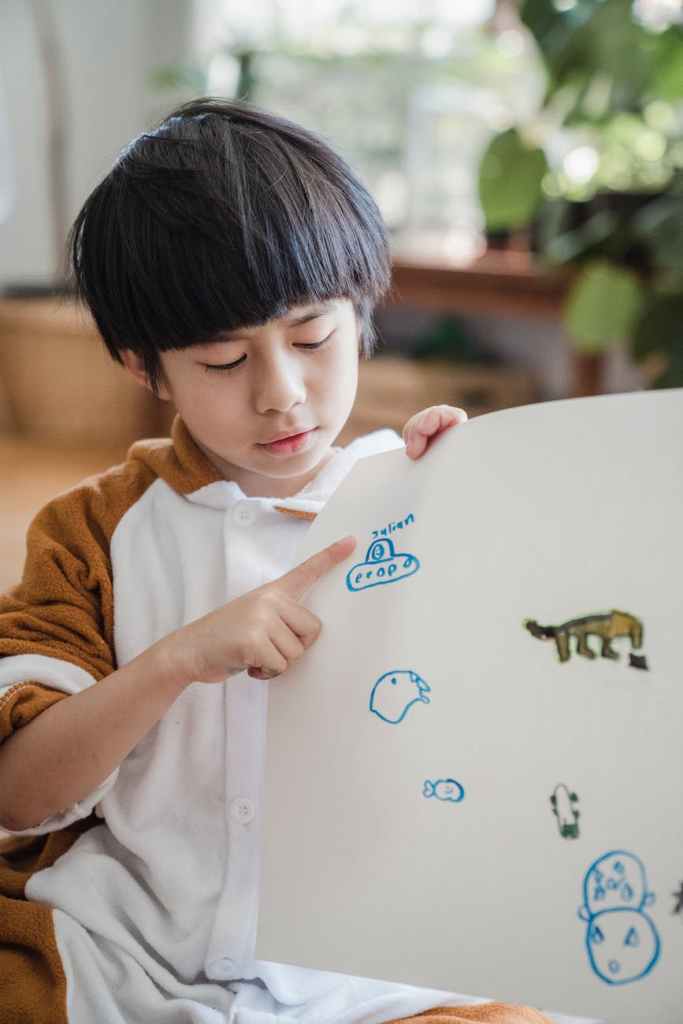
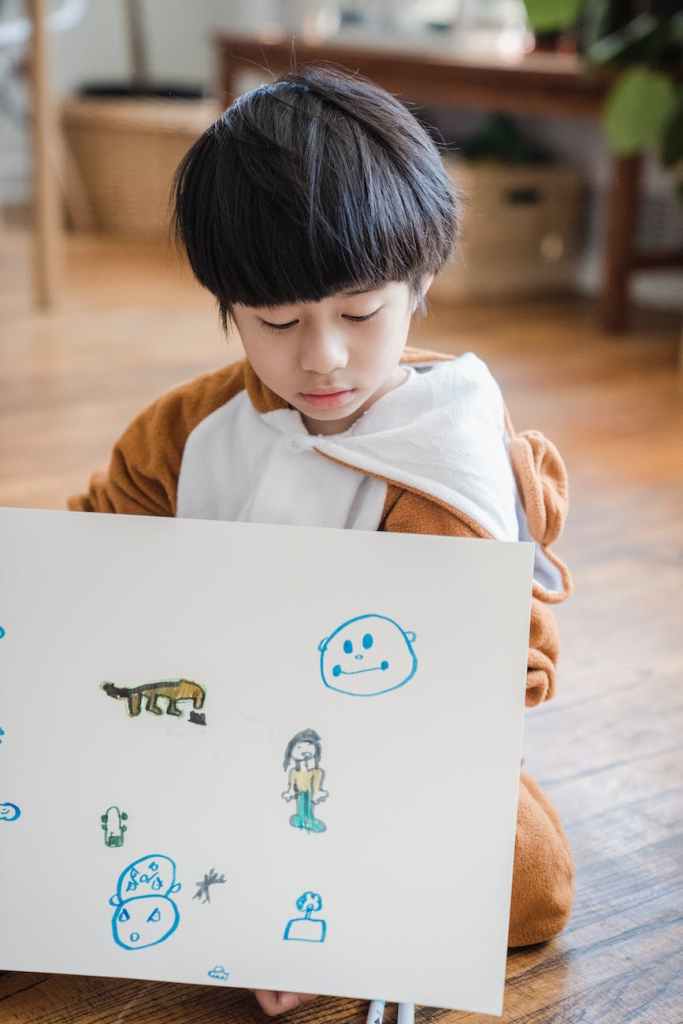
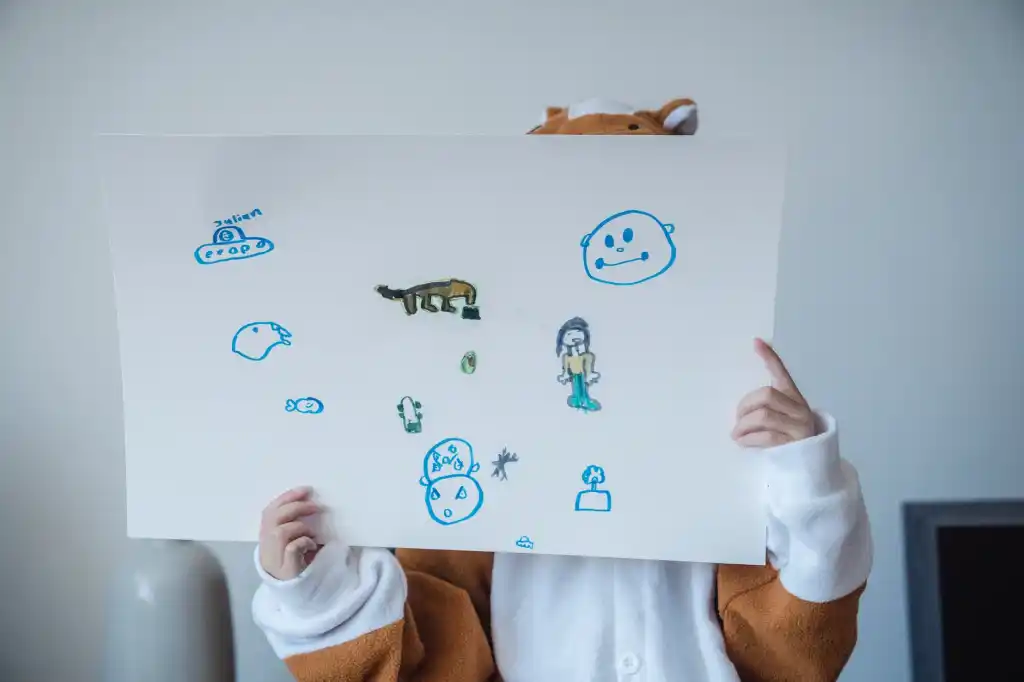

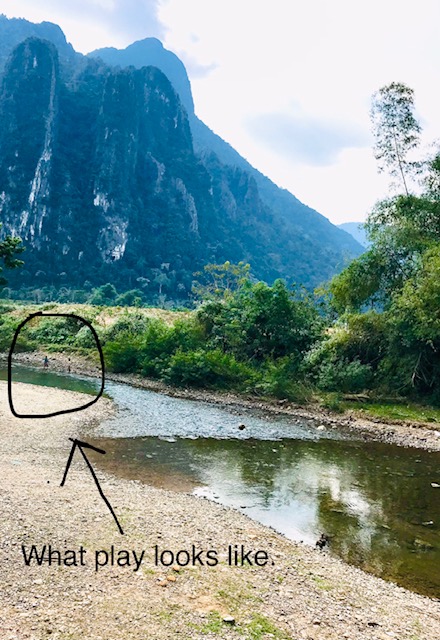

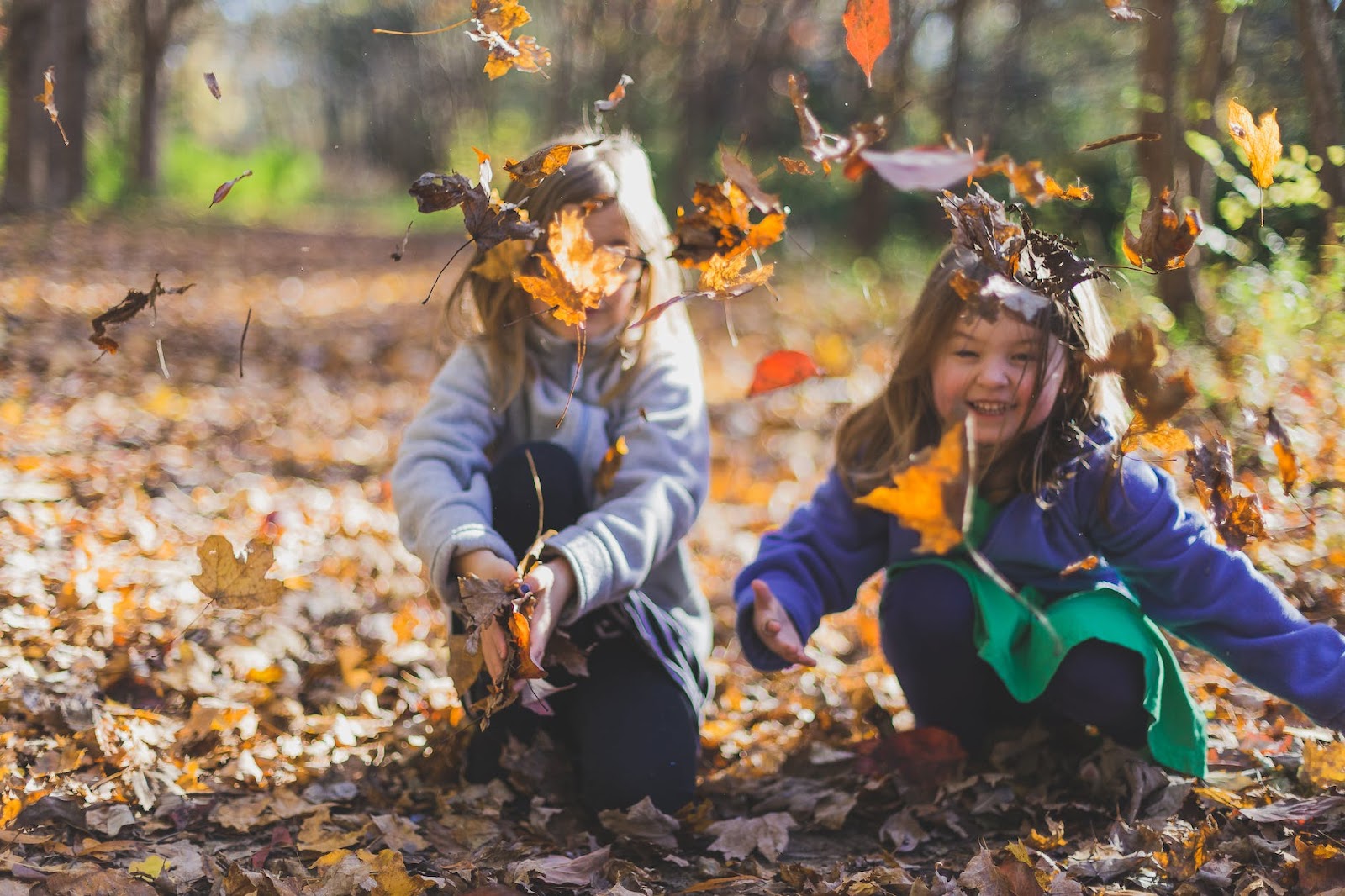
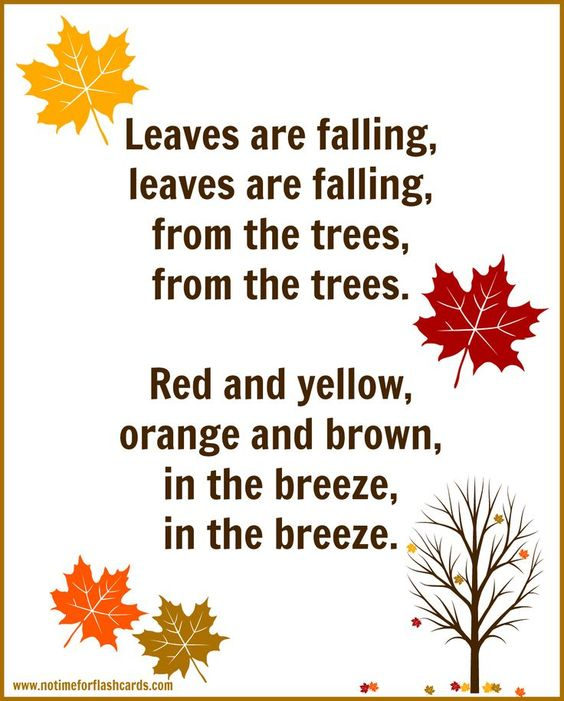
 Photo by Tatiana Syrikova on


 From the Playground