Building Real Schools not Walls to Finally Close the School to Prison Pipeline

By Jill Telford and Berna Artis

From the President to the stay at home mom or dad, everyone’s idea of “school” and “education” is different. I almost can hear you say “How, Berna? Education is education and school is where children, youth and people in general go to learn, better themselves so that they can get a good job and live a happy life.”
blog 13 pic

Yes and no. I wish it were that simple. In my opinion and based on my experiences, there are three types of schools:
1. Inspiring
2. Mediocre
3. Supressing and Depressing

Inspiring schools are about students. Their needs, interests, potential, creativity, personality, family dynamics, 360 degree development (as we say “the whole child”). School leadership and faculty put students’ well being in front of academics. Students are not numbers, they are people. In a data driven world, these schools are great because they balance these two needs instead of tipping the scale with one or the other.

There is another thing that takes place in these “inspiring schools”. Encouragement of higher level thinknig, thinking outside of the box. Conversation, dialogue and cooperation is encouraged not by a set of rules such as “raise your hand before you talk, raise your hand before you get up and walk”. Have you ever seen an adult raising his hand in a conference room? Yet, they can talk all one by one. There is almost this silent sign or code signaling “it’s my turn to talk”. Have you ever seen a person raising his or her hand to go to the other side of the room while the host or the speaker is talking? No. because they get up quietly, discreetly and mind their business. Why treat students like this when we are preparing them for the adult world and tell them “You must be successful at what you are doing out there”.
blog 13 pic 1

Students or learners are involved and engaged in their school planning. Projects, tagline for a competition, lessons, study subjects… Yes, of course there is a curriculum but there are ways to incorporate all these into the curriculum. Is there only one way to teach mixing colors in art? How about addition? Why not slice up an apple while teaching fractions? Does it have to be only 1 or 2 dimensional? No. 21st century schools are far better than that. If we do not have one type of learner then we cannot teach with one method.

Mediocre schools are neither here nor there. Teach according to the curriculum. Use a tourist approach as in “Black History Month. Let’s learn about Harriet Tubman. It’s April, let’s talk about recyling and talk about Earth Day”. Why not expand these throughout the year and stretch the subjects into every area of learning. Math, science, social studies, art, music…Why not encourage learners to think deeper and perform at higher levels by letting them absorb all the information in comparison to memorizing? Why rely upon tests so much? Why is a child nervous taking a test? Does this mean he doesnt know or is it only an issue of learning how to control feelings such as anxiety.

blog 13 pic 3

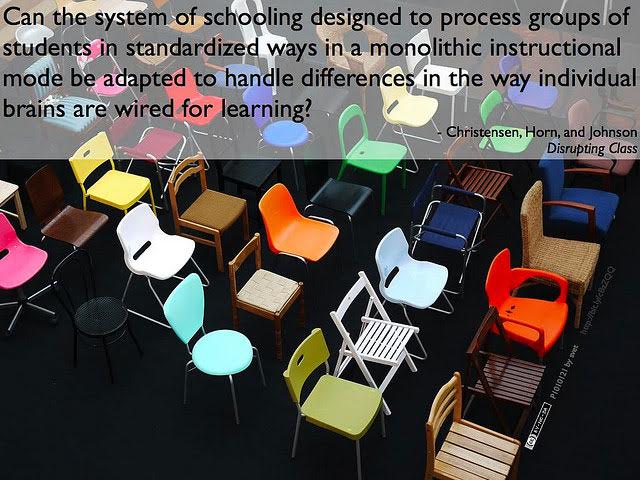
Supressing and depressing schools are the worst. They think “rigor” is awesome. Learners are like little soldiers. They are expected to be quiet unless the teacher asks them a question. They are required to move, talk, laugh IF the teacher gives permission. They are expected to act alike and behave alike. Leadership and faculty associates listening as in raising hand and keeping it quiet unless the teachers permits them, with learning and getting high test scores. Naturally every child is different. No matter what the expectations are, they cannot act alike and think alike all the time. They cannot have the same needs and understand the subject in the same way and within the same time period. What happens to these children? They get punished, isolated, pushed away, mocked and belittled. They get bullied by the teacher and of course later on by the classmates and schoolmates. Why not follow in the teachers’ footsteps? Trust me I have witnessed it. These children may eventually get kicked out of the school or held back a year or so. Because they are the “black sheep”. Why not follow the herd? What is so great about being an individual and adding your individual strengths and ideas to the learning environment? This is the thought. They set children up for failure.

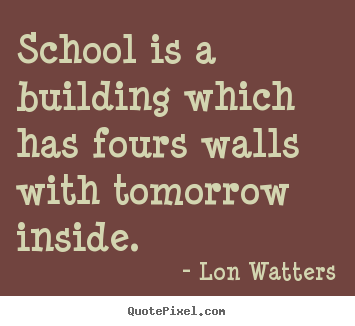
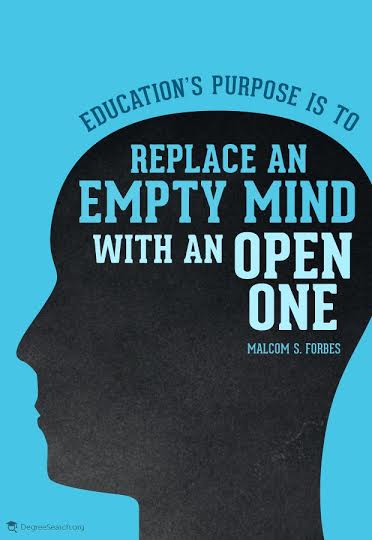
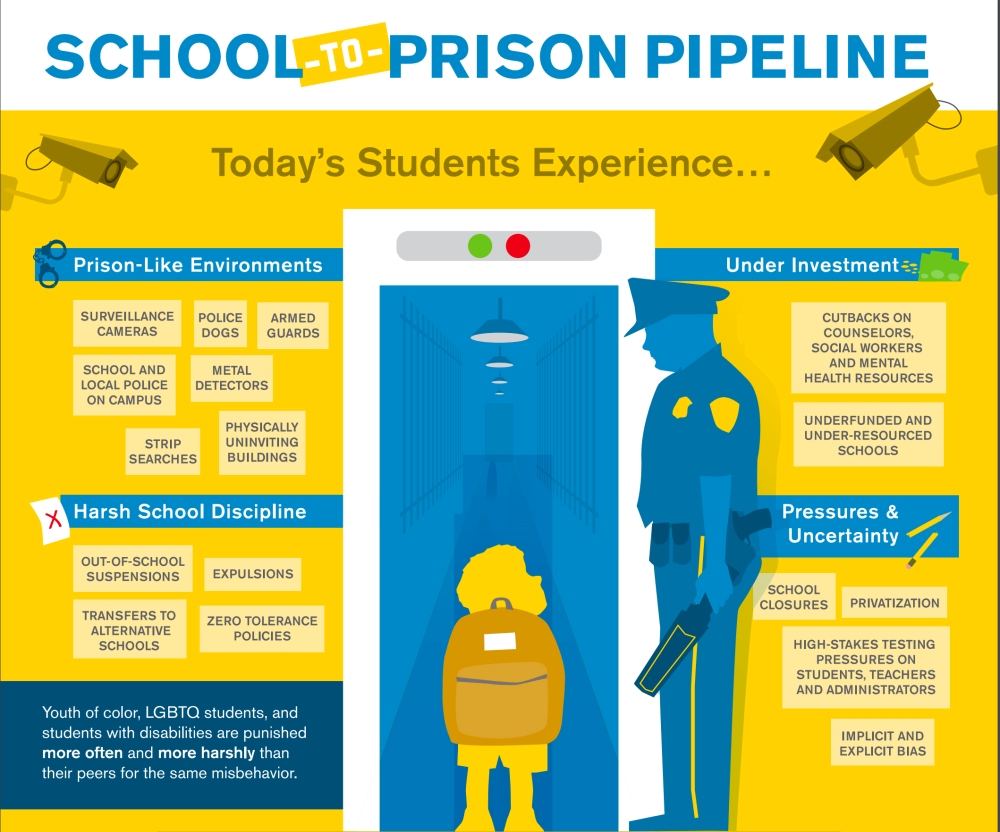
Like Berna, I recognize how many have different perspectives when it comes to learning.  While most may have a different idea of what education may be or look like what remains true is it’s purpose.  A school’s purpose is to help and guide not punish and expel.  A school adds onto a person’s character and brain not takes away.  I rise to the challenge of math and will say with confidence that if a school works to take away problems as opposed to solving them then in the end nothing will be left.  “What happens to the children who can’t sit still or are labeled as a problem or ADD/ADHD?” “Who is their voice?”   When I think about schools, I think about what is inside…the meat of it.  So often a child is labeled and removed in punitive ways.  I equate this with removing a problem not solving it.  Most of all, not helping the child to solve it.  Often I think about the school to prison pipe line and why removing the “problem” is not the answer and what we can do to stop it.
blog 13 pic 4

They say you can tell a lot about a country by the way it treats its prisoners…I believe the same can be said for how a country treats its children. Invest money in our schools and education for high quality not in more jails.  Invest in our children, families and educators.  Education is supposed to be inspiring.  It is meant to change lives and trajectories.
blog 13 pic 8

This is real. A real problem here in our country. We have to solve it and do the right thing for our children not pockets.  This is how we break a cycle.

The return of investment is immeasurable when you invest in education.

It’s easier working and guiding children as opposed to fixing broken grown ups.
blog 13 pic 5

Education meaning the elements of literacy, the arts, math, the sciences, play and higher level thinking skills AND SO MUCH MORE are vital to keep our country thriving, alive and most of all moving forward and rolling.

Let’s follow the money and watch where it goes. The money is here. It’s being spent not to better schools such as Detroit’s and Scranton’s, it’s being used elsewhere.  We need to come together as a community and nation to build each other up. Debt and bankruptcy should not be an option. Invest in our communities.

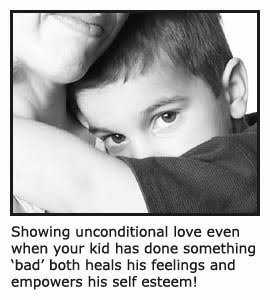
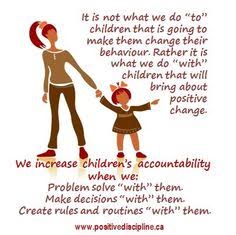
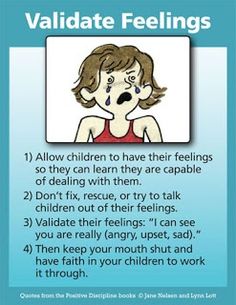
When you move out and go to someplace “better” what does that really solve? There is good and bad everywhere. We have to own our problems and do something about them. Removing a “problem” is not the answer. A child should never be labeled as bad or a problem. The behavior is a problem not the child. We are here to help solve problems by working together using positive guidance to help a child learn.
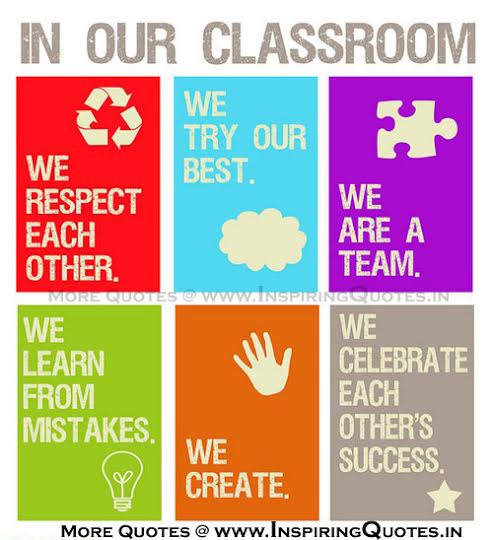
blog 13 pic 6

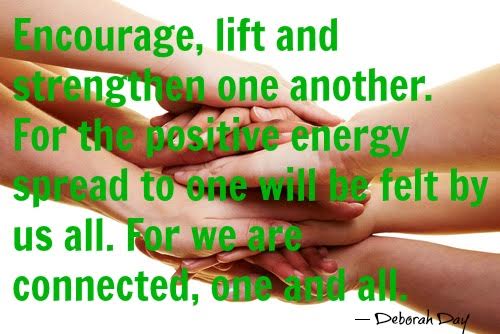
It comes down to our expectations and positive guidance. It comes down to doing the right thing for children who will later become our future grown ups.  It’s about building partnerships with families and making them stronger and in return growing stronger from them as we all have something to learn from one another.

The thing is is that leaders already know the value of education and the return of investment as I am sure their children are in the best of the best of schools… We deserve these models of excellence. Every child deserves high quality and equity in a real education. We know what it looks like.

Every child deserves the kind of education that makes you think, dream, imagine, hope, create, advocate and speak, work together and most of all believe. But this kind of real schooling starts with us.
blog 13 pic 7

A school can be the most advanced, technologically savvy, have beautiful things but what matters most is what is ticking inside of it. The hum of the people within in it. Do they have children’s and families best interests at heart? Are they there to listen and understand? Do they care? Is it a neighborhood where you feel welcome and a part of it? Is it authentic? How is the learning and interraction happening? It’s people not things that make a school. This a strong foundation to build a school out of not brick and mortar.

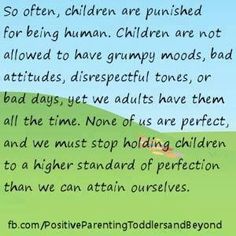
“Why is My Child Acting Out?” Often There is a Reason Why

By Jill Telford and Berna Artis

As a teacher, sister and aunt I learned a lot about and from children. I am one of three sisters and an aunt to nine nieces, nephews and grew up with one of my nieces pretty much as sisters. I watched how she grew from a baby soon to be college freshman. Time goes by and waits for no one. I am reminded of this everyday especially working with children.

blog 12 pic 7

What I love the most about guiding children is that each and every single child has their own individual personality and most often, I wonder who and how they will be when they grow up. Often, I look around at adults as well and think “wow how incredible to be surrounded by such unique personalities”. We are all very different. Everyone of us has something to offer each other when we listen. Most of all, I believe that we all want what’s best for our children, there is no doubt in my mind about that. Families do what they can with what they have and what they know.  No one wants to be in the middle of a tantrum or a very bad day. However, there will always be bad days. We will find ourselves right in the middle of it when times get a little ugly. These are the moments that make or break us as we guide children’s behaviors. We all make mistakes but it’s the ability to reflect and learn from them to see how we can best support and care for our kids. Making mistakes is okay. Let’s also not forget about supporting and caring for each other while being in the middle of it.

blog 12 pic 2I vividly remember my niece and how she did not want to put her seatbelt on to many of my requests and furrowed eyebrow looks in the rear view mirror and she literally crawled behind the seat and protested while I was driving. I pulled the car over to the side of the road and parked it.  I said, “We had an agreement that you’d wear it if you went on this drive to the store.” Then I asked, “Why don’t you like wearing a seatbelt?” She said, “I don’t like how it feels against my neck.” “Ok, no problem there is a way to wear it where you won’t feel it”, then I showed her a trick and how to put it behind her back.  We always struggled with this and finally by asking the right question we solved it together. There is almost always a reason for a behavior. One guidance technique may not work for every child. It’s really about being attuned and listening to a child to get down to the bottom of it. It’s not easy.

blog 12 pic 5


Like us, children want to be respected, nurtured, cared for and treated kindly. How do we teach that when we are pushed to the limits? I admire families with children, hectic work and school schedules. I don’t know how they do it honestly. Families are a child’s first and most important teacher. To me, families are like super heroes. I think if I had to go home to children or pick them up from school, how would I respond and act with them after a complete full day of work? Would they still have a good part of me? Would they ever see me at my worst? Would I ever make them feel like they were last? Would I show them the same kind of care and understanding as I show others? Would they have my undivided attention? Would I listen? Would I be there? All I know is that we at times are our own worst critics. In classrooms full of children with all different needs often I am at their eye level talking and working problems out. We solve one problem at a time the best way we know how. Most times, I ask children how they can solve it. And, often I find research, articles talking about strategies of how to talk and guide children because just because one strategy worked for one child it may not work for the next. 
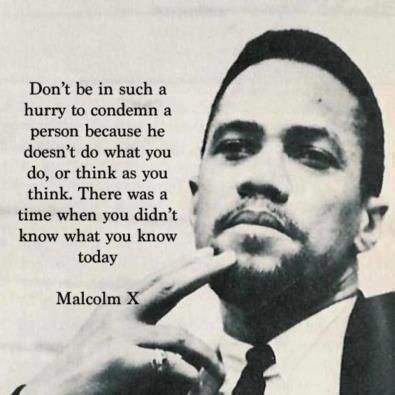
blog 12 pic 4

I had a child who pushed me to my limits and made me start praying. Everyday, I said a little prayer in hopes that Johnny would be gentle and not hurt anyone that day.  The child was one of my most challenging students. Nothing seemed to work. Each day was a challenge. However, I did not give up on Johnny. We observed and you know when clouds drift away, rain stops and blue skies come: that’s exactly how I felt when the child stopped hitting after many months of reading, “Hands are Not for Hitting”, modeling gentle touches, talking about how it hurts, checking in on the children who were hurt, catching the child being gentle, and literally guiding the child each and everyday not to mention talking with the family about how we are working on and how the child is not bad just has challenging behavior. Giving the family strategies and advice all the while taking theirs of what is working. Working tirelessly so the child was not labeled as “bad”. Positive guidance works. It may not happen as fast as we’d like and yes it may be very difficult but the results are worth it. If we yell, if we hit and we are grown ups what are we teaching? That is confusing to a child.

As a classroom teacher, one of the biggest things I learned that is if you whisper, children will listen.  Most of all when you care the rest handles itself.

blog 12 pic 6

Like Jill, I come from a big family. We love children. We are very emotional and touchy feely people. This is not unique to my family of course but I realized especially educators who work with children side by side are generally emotional people. Why? Because it is not possible for a person not to be emotional when there is passion inside.

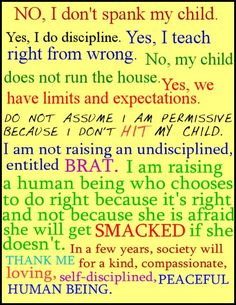
I often hear parents and other family members and unfortunately teachers stating “tough love is all children need to grow and become responsible individuals”. “Too much love will spoil them, I don’t baby my kid. They need discipline”. Agreed, they need discipline. But what is discipline?

blog 12 pic 8

Taking a way a child’s belongings? Keeping him in the classroom during recess? Kicking him out of the classroom? Sending him to the office? Taking away his points or giving a bad grade? Putting him in the corner for time out? Yelling at him in front of the whole classroom? Telling him: “you are being a bad kid” ?  None  of the above. Not until you try everything. Not until you try to build a connection and a relationship. Not until you understand what the underlying cause is for the behavior. Not until reaching out to the family asking for their help. Not until looking into his or her eyes and asking why and what. Not until giving choices and guiding him to make better choices. One size does not fit all.

Sadly I see these things too often in schools. Here we are in 2016. 21st century, right? Information age. Technology age. Family styles are different. Parenting techniques and expectations are different. We read and we know more. There is a ton of contemporary and progressive techniques. Why does all this knowledge stay in the books or in between shuffled files? Why do we talk the talk but not walk the walk?  We all communicate constantly. More than half the time, not face to face but screen to screen and in the moment when things are happening. We are connected more than ever before. Why not take the time and approach the bad behavior, not the “bad child or student”. A teacher’s role is not only to teach academics. Most teachers forget this and all they focus on is: “I need to teach the lesson, scores need to go up”.

blog 12 pic 3

How about “Let me learn more about positive guidance or positive discipline. Let me talk to the family and see if there is anything I can do. Let me ask other colleagues and see what they would do if they were in my shoes. Let me ask this student why he is the way he is. Is he bored? Does he need attention? Does he need to be challenged more? Does he feel scared or frightened of something or someone.” How about we replace all the “punishment” hidden under discipline or (my favorite) consequence? Why not calling it what it is? It is punishment. A consequence is for the child to know what his options are and teaching him how to make good choices. In the event the choice is not good, then there is a consequence. For example, “If you do not finish writing down your homework, you will not be able to go out for an extra 5 minutes before we are released” or ” If you want to watch a cartoon, you will not be able to play scrabble because we do not have that much time and you need to go to bed on time”. The chid still has control over his actions and is aware of the consequences either way.

blog 12 pic 9

As long as there is mutual respect and hands stretched out to help children who are eager to learn. If they knew how to behave, they would not be minors. Especially, in a world where adults have a lot to learn, just try. Understanding and caring goes a long way and can create wonders. Even with the most challenging child. We all make a difference in the world. One child, one student, one person at a time. blog 12 pic

Breaking the Cycle with High Quality and Equity in Education: Why it Matters

By Jill Telford and Berna Artis

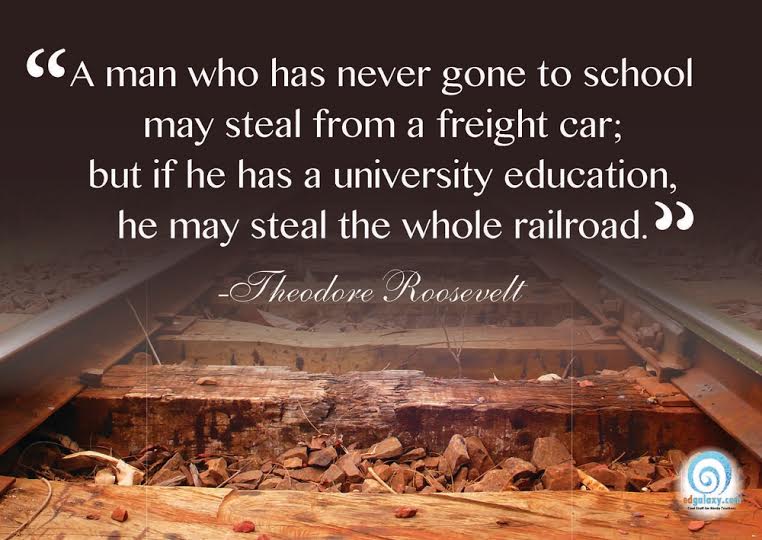
There are many issues and reasons when it comes to children from lower socioeconomic backgrounds not doing as well as their affluent counterparts.  Children deserve high quality education, equity and equal opportunities regardless of their origin, socieconomic status and family tree.  They deserve to realize their full potential and grow into their highest capacity.  Educators and families must have strong partnerships. This can be established when teachers treat everyone fairly and ensure children and families feel safe, welcomed, loved and cared for.  Just as there are rules in the classroom: be safe, be kind and most of all take care of each other.  I am a preschool educator at heart. When I say let’s hold hands and stick together like peanut butter and jelly I mean it.

blog 10 pic

There are two myths about the achievement gap: low-income families have lower expectations for the academic achievement of their children and students from low-income families have much lower motivation to learn.  This is false. I come from lower class and we struggled. I never knew we were poor or how much my family sacrificed to ensure I made it so to speak.  It comes down to many influences but I will talk about two main influences: family expectations and how teacher(s) perceive their students.  Teachers must have high expectations and a belief in their students that they can in fact succeed and they are somebody.  We all are somebody. You can tell so much about a person by how they treat people…every person no matter who they are.

blog 10 pic 2

Our exposure and our experiences make us who we are and who we are to become.  My family, especially my sister, pushed me to succeed and had high expectations of me and motivated me to learn.  She would stay up most nights mispronouncing vocabulary words to ensure I knew them for the next day.  At a young age, I was taught to read to understand not by anyone else but my older sister. When I was failing, my sister figured it out by asking and talking with my teachers.  A strong school family partnership is key to change someone’s trajectory in life.

I believe a family is a child’s first teacher and wants what is best for their child.  At times they may not know what to do and seek help.  Families do the best they can.  When a child has someone in their life who truly cares, anything is possible.  Children are resilient and need a dedicated role model to help them.  When a child has a handful of individuals who care and do the best they can, they are empowered and they believe in themselves.  There is no excuse why we cannot help children and families through education.  Education turns lives around and is the cure for poverty.

blog 10 pic 4

Give a man a fish and you feed him for a day. Teach a man to fish and you feed him for a lifetime (Chinese Proverb).

As opposed to Jill, I grew up in a highly diverse neighborhood. Christians, Jewish, Muslims, rich, middle class and poor. There was no upper middle class then. I remember going to elementary school and being in a classroom of 32 students with only one teacher. My mom was the room parent for five consecutive years and she contiued to stay engaged in parent-school association until I got to my senior year in high school. I must say I owe my success to my parents and their ever lasting support.

blog 10 pic 3

Education starts at home. First, we learn to be a good human being by treating one another with respect, understanding and showing empathy. We learn to take turns listening and speaking. We carry these personal traits to school life.  Then we start learning the academics. When I was growing up, my parents would tell me “never talk about money or what you do over the weekend or on breaks. It is rude to brag about what you have. You can hurt others’ feelings because you do not know where they come from and what they can or cannot afford”. Today, I teach the same thing to my son. There are so many other things we can talk about and share with each other. There are so many ways we can support each other, work and grow together.

Achievement gap is unavoidable in today’s world but it can be minimized. This is only possible if we work together. Shared understanding of what high quality is by all stakeholders, exposure to cutting edge information, various experiences and collaboration with others. These are some of the most crucial factors in progressive education. We are raising children in the 21st century, therefore we cannot continue to think like and use the methods from 30 years ago. Family styles, parenting styles, technology and many other things are different than the way they were in the old days. There is so much research out there, within our reach. One click of a button and information is in front of our eyes. No need to wait, no need to check out the book from the library, in many cases, no need to pay for it…So, if we know better and have more information, why not apply this knowledge into our classrooms and provide our children enriching experiences and prepare them for success?

blog 10 pic 5

Assumptions as Jill desribes at the beginning are no different than stereotyping people. How many of us think it is not OK to stereotype? I am sure, MANY of you who are reading this right now. There are families who are fortunate and there are ones who are not. There are families who want the best for their children but they do not have the means and there are ones who do not know what is best or how to provide the best. Anytime I come across a family who is not as fortunate as I was when I was growing up, I spend more time with them. I reach my hand out farther and try to pull them closer. Why? Because I may be their only chance. I may be the one who is supposed to break the cycle for this family. Because  8 to 10 hours this child spends in my care may be the happiest and the only productive time period he or she has. Helping someone achieve does not always cost a lot of money. We only need to pay attention, listen and reach out within our means. When it goes beyond our means, we can partner with others and ask for help. Remember we said closing the gap is only possible with collaboration? Well, it really is.

blog 9 image 3

Achievement is not only for a certain group of children. It is for all. All it takes is an opportunity. Any one of us can be that opportunity for a child who then may become a doctor, scientist, teacher, lawyer, police officer, entrepreneur and who knows.. perhaps the future president.

When Things Fall Apart: Resiliency and Having the Courage to Get back Up

By Jill Telford and Berna Artis

Bruises happen. Children fall and they get back up. Life catches us off guard and no matter how cliche this may sound…life is full of surprises. This is the part where resiliency comes into play.

blog 9 image 9

The ability to endure and bounce back is vital to sustain what we have and keep moving forward. Getting a scrape or falling down hurts. Let’s face it. “When we fall we must get back up.” We must keep moving. Taking this lesson from childhood into adulthood still resonates.
blog 9 image 6
We get hurt, we get back up. All of us at some point have been hurt in insurmountable ways. It takes longer for some to get back up but the thing is getting back up is worth it. There is a whole big life that goes on out there.

I remember as a child I lied. I gave a forged note saying how great I was doing in school when in fact I was doing horrible. When my sister opened and read the note she asked “Did your teacher really write this note?” I said, “yes.” She asked again, “I’m only going to ask one more time; did she write this note?” I said “yes.” The next day I walked into our apartment and was taught my first lesson: Never lie. It wasn’t that I was not doing well it was the fact that I lied about it.

blog 9 image

We went to school together to talk with my teacher and she told the teacher to give me more work and put me back into my former classes. (I was performing so badly that they had placed me in remedial, unbeknownst to my sister). The teacher said, Jill just lost her mother and that could explain so much. My sister looked and said something I will remember forever “That is no excuse. Our mother would be rolling in her grave if she knew Jill was failing.” Resiliency. It’s being bruised. Its enduring. It’s having the courage to rise again. To hold and keep your form even with the scratches and scrapes during life. Even when things fall apart.

blog 9 image 5

If not all, most of us face with events that are not desirable. Being disrespected, ignored, neglected in different ways and unappreciated are all hurtful things. How about being stabbed in the back by the people we loved and trusted for so long? This is life and things are not always in our control.

It is crucial for our children to learn these lessons early in life. Not at the same depth as us adults but disappointment and sadness will happen. It is not useful to sugarcoat everything and hide the truth because it is hurtful. The important piece is that we deliver the message appropriately and still teach the lesson so they become resilient in time. They need to bounce back and give it another try.

blog 9 image 8

My son is orange belt in karate. Last weekend due to our jam packed schedule, he had to attend the class with red belts. He begged me not to go in and said he was super scared. I convinced him to give it a try and there he went…

blog 9 image 4

Master was teaching them a new move but because my son was just learning level 3 and they were learning level 6, he panicked. Every time master called a move he was doing it wrong. Tears started building up in his eyes and he started hiding his face. After observing red belts making the same mistakes and deciding he can get help he started moving faster. I sighed deeply with huge relief. I wasn’t able to go out there to comfort him or to help him. He gathered himself up and moved on. The class was over and he said to me “Mommy, I am sorry I doubted myself. It was hard at first but I can do what red belts are doing. Do you think Master David would promote me to red belt?” All I thought was my work as a mother and of course my husband’s, was paying off. He felt failure but didn’t give up. In the end, he was proud of himself and so was I. Don’t be afraid of falling, as long as you find the strength in you to get back up, all will be well.

blog 9 image 8

Carpe Diem: Seizing the Moment and Making Lasting Memories

By Jill Telford and Berna Artis

We work to live not live to work. Some have it backwards. The awesome thing about children is that they are really good at seizing the moment.

blog8pic1

They are present and stay in awe of well, anything. Shadows, bugs, people, the breeze… And, children show this way of being best through play.

blog8pic8

They don’t work against time but with it. Children are in tune with just being and they are totally ok with it. As adults, we sometimes forget what it’s like to be a small child figuring out life. Grown ups still don’t have it figured out. Sometimes we focus on the most ridiculous things wasting time and energy when we should just be. I think even when we die life will still be one big question mark but isn’t life wildly beautiful now?

blog8pic6

As spring starts setting in, you hear the birds chirping, see the beginnings of cherry blossoms, time goes forward and it feels good. Or some of us think “oh man I lose an hour of sleep” but the thing is we gain that hour at the end of the day to really take in warm sunsets. I was never a morning person and I am a night person at heart. So I am looking forward to that extra hour of light in the evening. During this new season, I am going to just be. Like children.

blog8pic5

Today I am going to renew a promise to just be in the moment. Nothing more. Nothing less.

“Being in the moment” as Jill says. We often forget enjoying ourselves. We rush our children, protect them too much sometimes thinking the more we protect them the better adults we are. Well… not long ago, we went to an Adventure Park (not amusement park) far out in Maryland. As children put their gear on to climb up the trees, and an obstacle course 25 feet high off the ground and a zipline! My heart was pounding like it was going to come out of my chest any second. My son is swinging from one tree to the other, walking on a trapeze like wire holding onto a harness I thought “why on earth did I allow him to participate? What was I thinking? If something happens, I will never forgive myself and my life is over!” Thoughts were racing through my mind a million miles per hour. Then something happened. A few children on the trees yelled with excitement, “Look! Look! there is a deer. Look, another one.” I saw the deer. Running, freely, hopping… I felt so good. I was in awe of their speed and freedom. Then my son said, “Mommy I did it, I just crossed over the triangle, I walked through it not falling.”

blog8pic3

In that little moment, I realized I cannot dictate his life. I must allow him to take risks so that he can taste what accomplishment feels like. So that he can enjoy being in that moment. No need to get upset or spend the whole time worrying. I needed to enjoy the moment as well. It was like the deer ran by to tell me something. To shake me and make me realize that there is so much to life and we should experience it, observe it, soak it up. Once he completed the obstacle course and came down, his eyes were bigger than ever with self fulfillment. On the way home, he said he thought he would die up there and he couldn’t believe how he did all of it although it was so hard. He repeated several times that he would do it again, only this time he would try to go higher. (Glad they have age­ height limitation, so I don’t need to worry about convincing him not to try to go higher).

blog8pic2

Let your child try, let him experience different things, let him be exposed to things that will make him want to try to do more and take on a challenge. Let yourself enjoy the moment rather than worrying aobut the past or the future and making a mountain out of a molehill only later to realize you wasted that precious time.  Live for the now.

blog8pic7

blog8pic4

Changing Lives Together

By Jill Telford and Berna Artis

Several years ago, a mom walked into my office with her twin boys who were barely a year old at the time. She looked fragile, slim with a smile on her face trying to cover a sadness that was sitting deep inside, most likely for a long time. She was in her early twenties. She said she wanted to enroll her boys to my program. There was an urgent sense of wanting to help this family that covered my mind and heart. After completing her enrollment process, I conversed with her. I asked her what she needed from the program, how could I support her and anything else that she wanted me to know. What I learned from our conversation was not unique but unsettling. A single mom who was abused by her mother’s boyfriend, diagnosed with bipolar disorder, out of high school trying to find a job and living in an apartment with roaches and surrounded by drug users. I was unsure of how to handle this young mother…what to say to her, how to say it… I admired how she felt comfortable and opened up to me, sharing that her mother reported her to the police because she was gay and using drugs. They needed to take the boys away from her. By the time she was done talking, she was in tears apologizing and I was sitting across from her trying to hold my tears in with a big knot in my throat.

blog7pic6

A couple of weeks later, both of the boys were having medical issues. I was supporting this mom by asking questions gently and ensuring she trusted that my goal was just to help her become strong and able for her children. She was going to the hospital every week and they were giving her the run around. I was coaching her to ask questions to the pediatrician after figuring out she did not know what to ask and she entrusted doctors as they were educated and they were “doctors” in her mind. We were spending eight hours with these boys and our observations were clear: they were not getting the care they needed!

I asked the mom to call the doctor’s office and I would put the call on speaker and I would speak. She was fine with it, in fact appreciated me taking the time to help her. I realized that all this time, a registered nurse was attending her children not an actual pediatrician. With all due respect to registered nurses, these boys needed a doctor not to mention a specialist. The RN was extremely rude on the phone trying to belittle the mom saying she did not know what she was doing with her children. She went on speaking in that “I know every thing because I am the RN” voice until I pushed back by saying I would write a letter to the hospital and I would ensure to follow up until these two children received the care they needed. When I was finished, I had the contact information on my notepad. In a few weeks, both children went through tests, one was diagnosed with autism and the other had severe gastrointestinal issues that were being addressed by specialists. The journey was not over for this family.

blog 7 pic

Mom was extremely upset and emotional about her twin boys’ situation. I made a referral, which resulted in ABA therapy, and wrap around service that included home visits and support for mom. This was incredible. Mom stopped by my office every single morning praying for me and thanking me because I cared for her, her family, that I did not treat her differently because she had a mental illness and she was gay. As we thought things got better, we had another situation. One of the boys was working with the ABA therapist three times a week. The first one was fine but the second one they assigned him was impatient, forceful and not nurturing. I could not bear seeing this picture one more time. The second time I observed her work, I called her supervisor and shared my observations and concern. The same day mom came to my office and said that the home visitor was talking down to her and that she felt very uncomfortable. I followed up with the home visitor who was also one of the supervisors in her agency. She told me that there were roaches on the walls and that the TV was in the same room where children sleep. She added that mom needed to move out of that house if she needed her children to get better especially since one of the boys had asthma.

blog7pic5

The interesting part in this conversation was her tone. She was sharing these things with me with disgust. I wanted to say, “Yes genius, this family is on WIC, mom is in training to get a job and this is the apartment the housing assistance is paying for, and yes there is a long waitlist for a better place”. Well, I did not because I knew I had to keep it professional. I said thank you and asked for an in person meeting with mom and me in my office. Within that week, we met. I asked one of my colleagues who is a clinical social worker to sit in for this meeting. I wanted to make sure I was not missing anything because I was not a social worker and I had to cover all my grounds for this mom. I had to advocate! The owner of the agency, home visitor, mom, my colleague and I met. I saw exactly what mom was telling me…

  • You have roaches in your home, it is not safe for your children
  • They need to eat better food because they need better nutrition
  • You cannot let them sleep in the same room with a TV
  • You need to spend more time with them to bond
  • If you had a job …

After the last part, it was a blur to me. Mom was crying and they were still stating all the negative facts to her as if no one was aware and concerned. I ended the meeting, called the referral agency, shared our concerns and what took place. They followed up with us in person and ended their contract with that particular therapy agency. It took a little bit but it happened. This is only one family I am speaking about. Mom kept in contact with me for a while even after children transitioned to public school. I heard things are getting better for them. This is an example how we all can advocate for children and families. It may sound like social work but it is an extension and continuation of what we do: support children, educate and empower families, enable them to help their families. This is the only way we can make a difference. One family at a time.

blog7pic4

Like Berna, I vividly recall a set of experiences that define first who I am and who I am in the process of becoming and second the how and the why I help others. It’s never the evil people that are the most at fault in times of crises and chaos, it’s the people who never speak up and fight for what’s right.

At some point, everyone needs help. How can we teach children Blooms Taxonomy if Maslow’s needs aren’t met? It’s as simple as that. I grew up in Scranton in Townhouse projects and although our family didn’t have everything we had each other and that was more than enough for me.  Understanding this and where I come from: my roots so to speak, I get life. I get that it’s not about the money or the material things but the time, loyalty and authentic relationships. Throw in music, food and conversation and you have all you need.

When I moved to Washington, DC I walked into a small box sardine like apartment. I lived in unit 4. Koolaid stained carpet. Roaches. A defective heater that was tagged with warnings of don’t use. I cried.  Hearing gun shots my first night, coupled by pattering of sneakers on concrete I thought: what did I get myself into? The next day held my answer. I showed up to my neighborhood and found a child locked out. I let my dog Courage outside and the three of us became friends.  Everyday “Johnny” would come and ask to play with Courage. Eventually, we put up a basketball hoop to which a neighbor complained and threatened to call the police on us. The children absolutely looked forward to playing everyday. We couldn’t take that hoop down.

blog7pic3

My next door fiftyish year old neighbor who I learned could not read during a Home Depot run as we were trying to find water resistant liners, when hearing the name police immediately freaked out. I calmed him down and said I will call the police myself to ensure the hoop was allowed in our alley. And, it was. Then I walked over to the other neighbor’s house to talk and negotiate the hoop. My neighbor said that the hoop was going to destroy her quality of life as she was retired. I responded with “What about the children’s quality of life?” Together we created some rules of the hoop. Some were that children had to stop playing on it when the streetlights came on, absolutely no drugs and treat each other kindly.

This not only gave children something to do but created a community of support. It was by far not perfect but nowhere is. Every neighbor-hood has its problems but the question is, is what kind of neighbor do you want to be? We can all be advocates easily and it starts by being a kind and understanding neighbor.  Often, I think of how I’d like to be treated…then I act accordingly.

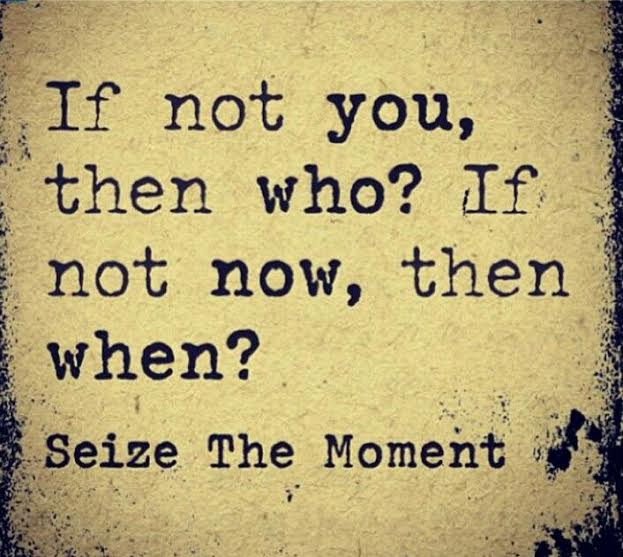
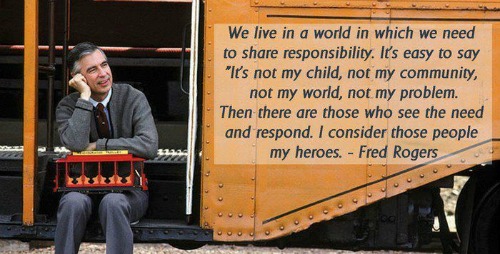
Yes, it is a lot of work but didn’t we all choose to do this? Belittling, criticizing, judging, isolating, pushing down and away are not the ways we will gain these individuals and show them how life can be better. It is by taking that five extra minutes to make a phone call, ten extra minutes to look someone in the eye and truly listen, speaking up for them and standing by them until we try every way and use every power we have. If we do not, who will? Never underestimate how you can change a person’s life and in return how they change yours.

blog 7 pic 7